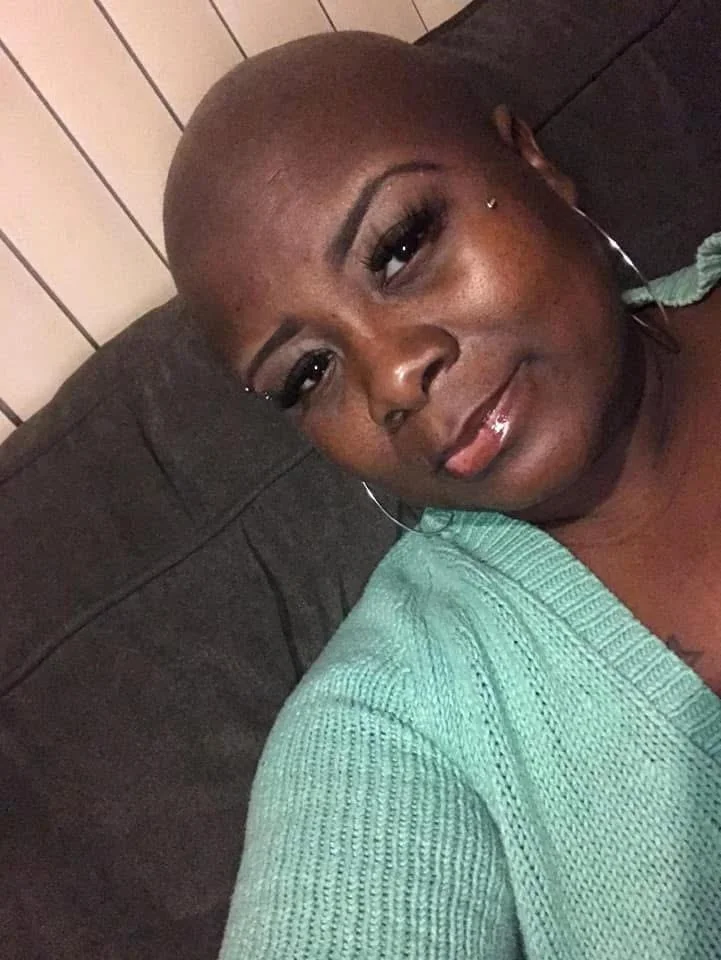
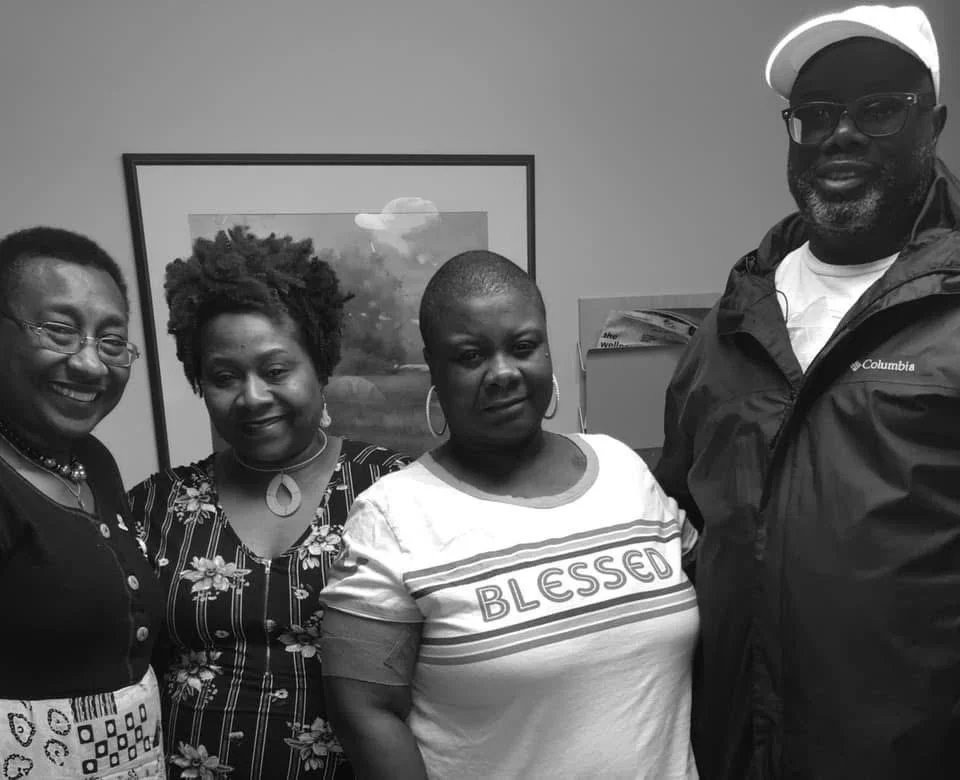
Latrice Richardson
Cancer has been part of my story for as long as I can remember.
When I was just eight years old, I walked into the room and saw my grandmother after her mastectomy. I didn't fully understand what had happened, but I knew cancer had taken something from her. Years later, my aunt faced the same diagnosis. Although both women survived, the fear of breast cancer never left me. Every time I heard the word "cancer," I felt overwhelmed with fear, and from a young age I became determined to do everything I could to protect myself.
Because of my family's history, I began getting annual mammograms at just 25 years old. For years, every test came back normal. But in 2018, I noticed changes in my breast that didn't feel right. Even though my mammogram showed nothing concerning, something deep inside me kept saying, Pay attention.
Looking back, I believe God was preparing me to trust what my body was telling me.
In April 2019, after repeatedly seeing the story of a young mother who had died from breast cancer, I performed another self-exam and prayed, "Lord, if I'm missing something, please show me." The next morning, I woke up and immediately found the lump.
I was 36 years old.
A biopsy confirmed my greatest fear: breast cancer.
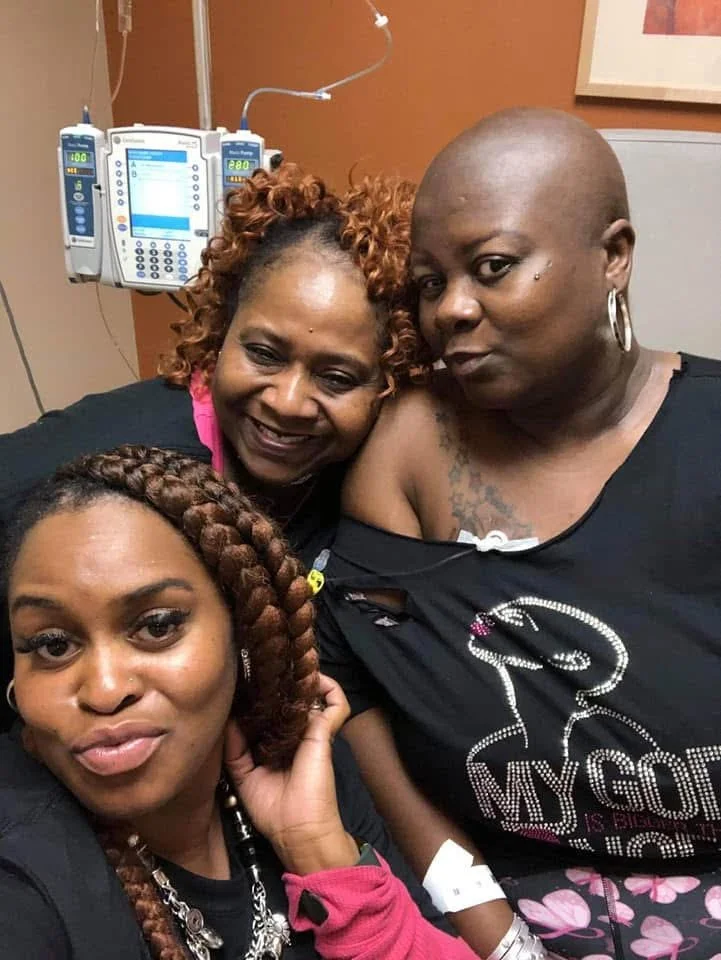
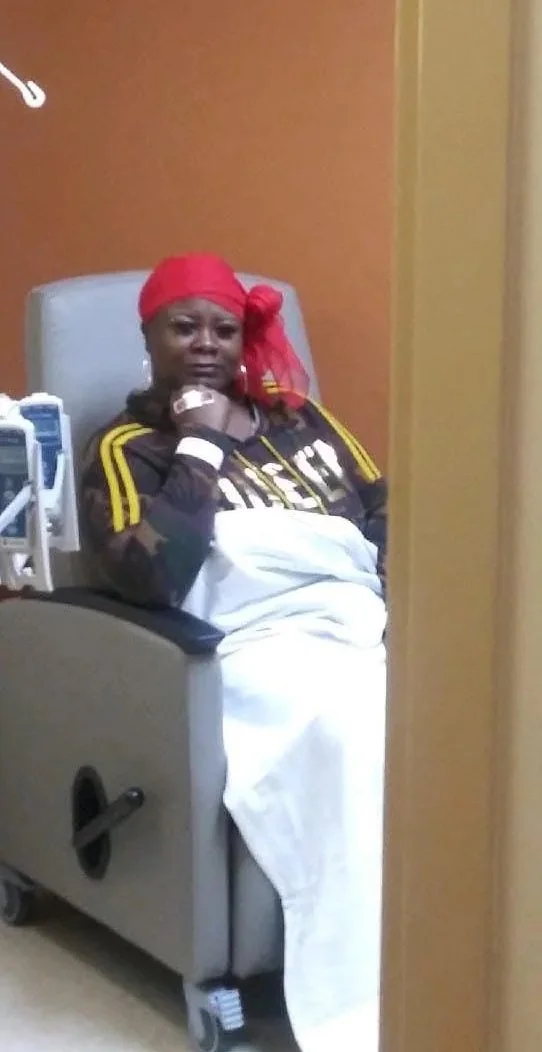
Treatment began quickly. I endured chemotherapy, a double mastectomy, radiation, and countless appointments, all while trying to process how dramatically my life had changed. I had worked since I was fifteen years old, but my diagnosis forced me to stop working altogether. Overnight, my focus shifted from building a career to simply surviving.
Initially, my doctors believed my cancer was Stage I. While that brought some relief, it didn't explain why I continued struggling with severe swallowing problems throughout treatment. I repeatedly told my medical team something wasn't right, but it took months before additional testing revealed the truth.
The cancer had spread.
In May 2020, just one year after my original diagnosis, I learned I was living with Stage IV metastatic breast cancer.
That news changed everything. Instead of working toward the end of treatment, I learned that treatment would become part of my life. Since then, I've faced medication changes, recurring fluid around my lungs, hospitalizations, and countless moments that tested both my body and my faith.
Through every setback, I chose to keep believing that God wasn't finished with my story.
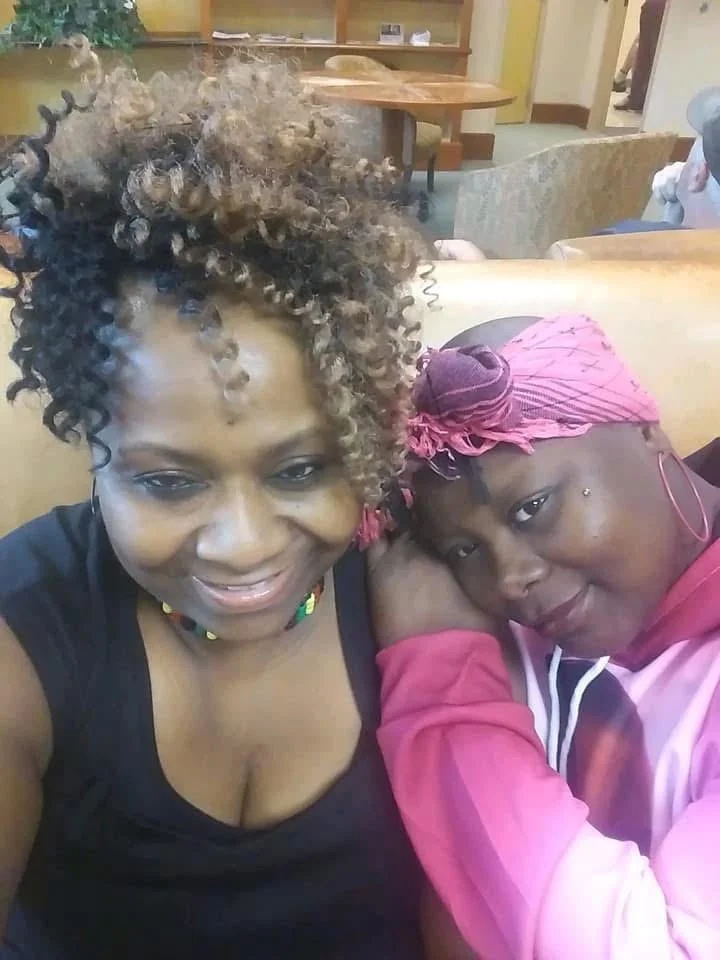
One of the greatest examples of that came when my aunt, the same woman whose breast cancer journey had shaped my own fears years earlier, was diagnosed with ALS. Although I was living with Stage IV cancer myself, I became her full-time caregiver. Walking alongside her through the final years of her life gave me a completely different perspective. It reminded me that every person is carrying a battle, and every day we're given is a gift.
In 2026, my own journey took another frightening turn. My treatment stopped working, fluid rapidly built up around my lungs and heart, and I was rushed into emergency surgery. During the procedure, my heart stopped three times. By the grace of God and an incredible medical team, I survived.
Moments like that have changed the way I look at life.
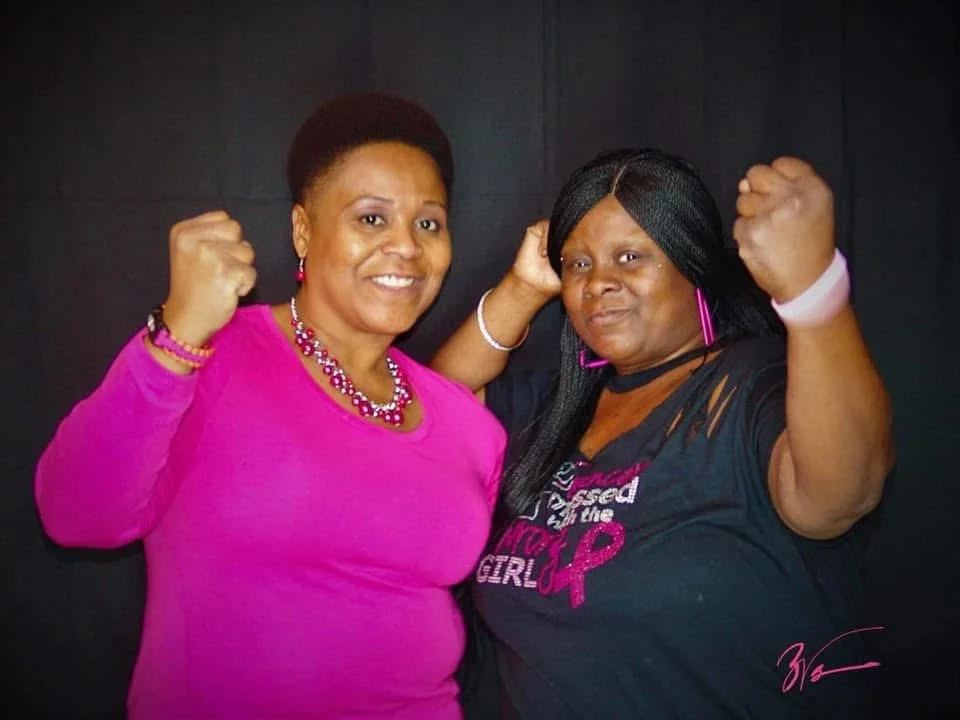
Today, I continue receiving treatment every three weeks. Living with metastatic breast cancer means there isn't a finish line, but it doesn't mean there isn't hope. I've learned that hope isn't found in knowing what tomorrow holds. It's found in choosing to live fully today.
One of the hardest parts of this journey hasn't just been the treatments… it's been the financial impact. I was forced into retirement at just 36 years old because my body could no longer keep up with the demands of full-time work. Medical expenses, everyday bills, and the uncertainty that comes with living on a limited income create a burden that many people never see.
That's why organizations like One Tough Titty matter so much.
When you're fighting for your life, worrying about how you're going to pay your bills shouldn't be part of the battle. Every bit of financial support creates breathing room so patients and their families can focus on what truly matters: healing, making memories, and spending time together.
If there's one thing I hope people take away from my story, it's this: listen to your body and trust your instincts. No one knows your body better than you do, and no one can advocate for it more effectively than you.
Cancer doesn't care how old you are. It doesn't care about your plans or your timeline. But I've learned that every day is still worth celebrating. My faith has carried me through the darkest moments of my life, and today I choose to live with gratitude, purpose, and hope.
Cancer may be part of my story, but it will never define it.